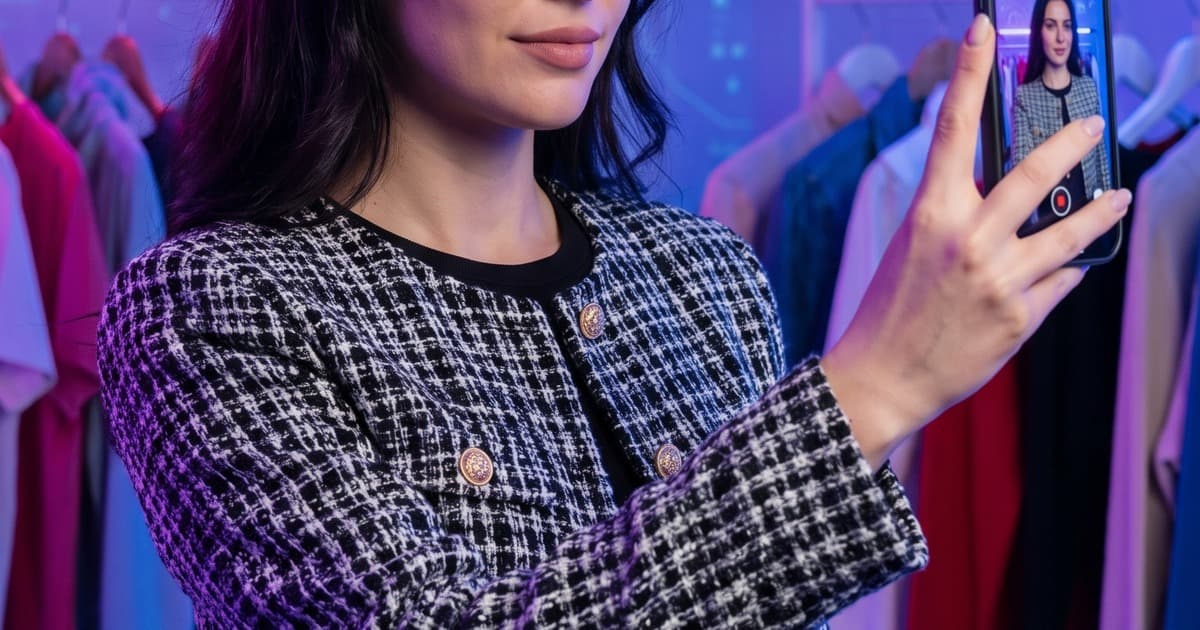
TikTok punishes silence. Post nothing for a week and your reach drops. Post stale content and your audience moves on. For fashion brands, that creates a brutal math problem: you need 5–7 videos per week, minimum, and each one needs to feel fresh, native, and visually compelling.
Traditional filming can't solve this. A single shoot day — model, videographer, location, styling, editing — costs thousands and produces maybe 10–15 clips. That's two weeks of content if you're lucky. Then you're back to zero.
This is exactly where AI product video changes the game. Fashion brands are now generating TikTok-native videos directly from product flat-lays and still images — complete with model movement, realistic fabric drape, and format-ready vertical output — without stepping foot on a set.
Here's how it works, and why brands that adopt it are out-posting their competition by 10x.
Why TikTok Has Become Non-Negotiable for Fashion
TikTok is no longer just a Gen Z playground. As of 2026, it's one of the most powerful product discovery platforms in the world, with TikTok Shop converting viewers to buyers inside the app. Fashion categories — clothing, shoes, accessories — consistently rank among the top-performing verticals.
What makes TikTok different from Instagram or YouTube:
- The algorithm rewards volume and freshness, not follower count. A new brand with no audience can go viral if the content lands.
- Product discovery is native. Users aren't browsing with purchase intent — they stumble on products mid-scroll, get captivated, and buy.
- Video is mandatory. Unlike Instagram where carousels and photos still perform, TikTok is video-first, video-always.
- The aesthetics are specific. TikTok content needs to feel raw, fast, and real — not the polished ad-look that performs on Meta.
For a fashion brand, this means maintaining an active TikTok presence isn't optional anymore — but keeping up with the volume demand has historically been a production nightmare.
The Problem: Traditional Video Can't Keep Up
Let's be honest about what "constant TikTok video content" actually requires for a fashion brand.
The math:
- 5 posts per week = 260 videos per year
- Each video needs to feel different: different products, different angles, different vibes
- For a catalog with 100+ SKUs, ideally every product gets its moment
What traditional production looks like:
- Book a model, videographer, studio or location
- Dress and style the model for each look (15–20 minutes per outfit change)
- Film 2–3 takes per clip
- Export, edit, caption, add music — 30–60 minutes per video in post
- One shoot day = 8–10 finished clips, at a cost of €1,500–€3,000+
Do this math: to maintain 5 videos per week, you'd need to shoot every single week, spending €6,000–€12,000 per month on video production alone. That's before your ad budget.
No wonder most fashion brands either post inconsistently, recycle the same clips repeatedly, or just skip TikTok altogether. The production ceiling is real.
What AI TikTok Product Videos Actually Look Like
AI video generation for fashion has matured significantly. The output isn't robotic or obviously synthetic anymore — when done well, it's indistinguishable from a real model shoot at a quick scroll.
Here's what AI can generate from a single product image or flat-lay:
- On-model video clips with natural walking, turning, or posing movement
- Fabric drape and movement — garments flow and move realistically as the model walks
- Vertical 9:16 format natively, optimized for TikTok's feed
- Multiple mood variants — the same product can be rendered in studio white, outdoor lifestyle, editorial dark, or minimal aesthetic
- Consistent model identity — use the same AI model across your entire catalog for brand cohesion
The result: a 10–15 second clip of a model in your product, moving naturally, in vertical format, ready to post. Generated in minutes from a single photo.
For TikTok specifically, this output hits the sweet spot. The slight imperfection of AI-generated video — the naturalness of movement, the lived-in quality — actually reads as more authentic than a polished ad on TikTok's feed.
Matching TikTok's Native Aesthetic
One of the biggest mistakes brands make when they first try TikTok: applying the same polished, high-production aesthetic they use for Instagram or paid ads.
TikTok's native aesthetic is different. It's:
- Fast-paced — cut every 2–4 seconds, never linger
- Raw and real — slightly imperfect feels more trustworthy than overproduced
- Product-forward — viewers need to see the item immediately, not after a 10-second intro
- Trend-aware — trending sounds, transitions, and formats change weekly
AI-generated fashion videos translate surprisingly well to this aesthetic. Because the output doesn't look like a traditional ad shoot, it fits naturally in TikTok's organic content stream. You can apply:
- Quick cuts between AI-generated clips of the same product in different angles or settings
- Trending transitions synced to music beats, switching between flat-lay and on-model view
- Text overlays calling out price, material, or a key product benefit
- Voiceover or trending audio layered over the AI visuals
The AI provides the visual foundation. Light editing (CapCut, Premiere Rush, or even TikTok's native editor) does the rest.
The AI TikTok Content Workflow
Here's what the production workflow actually looks like for brands using AI video:
Step 1: Upload your product Start with your best available image — a flat-lay, ghost mannequin shot, or even a white-background ecommerce photo. The cleaner the input, the better the output, but AI can work with most standard product photos.
Step 2: Generate on-model video Feed the product image into the AI video pipeline. Select your model (or keep your brand's consistent AI model), set the movement style (walk, turn, pose), and choose the backdrop. The AI renders a 10–15 second clip with the garment on the model, moving naturally.
Step 3: Generate variations For TikTok, variety beats perfection. Generate 3–4 clip variants per product: different model poses, different backgrounds (studio / outdoor / dark editorial), different movement speeds. This gives you raw material for multiple posts.
Step 4: Light edit and format Import clips into your editor of choice. Add trending audio, quick transitions, text overlay with price or brand name, and a product link. The whole edit takes 5–10 minutes per video.
Step 5: Schedule and post Use a scheduler (Later, Buffer, TikTok's native scheduler) to maintain consistent posting cadence. With AI, you can batch-produce 30–40 clips in a single session and schedule them across 2–3 weeks.
Total time per post (once you have your AI clips): 5–10 minutes. Compare that to 30–60 minutes with traditional production.
Posting Frequency Strategy with AI
The single biggest advantage AI gives you on TikTok is the ability to post consistently at high frequency without burning out your production budget or team.
Here's a sustainable cadence for brands at different stages:
Early Stage Brand (under 5k followers)
- Goal: Build algorithmic momentum, learn what performs
- Frequency: 1–2 posts per day
- Strategy: Test different products, aesthetics, and sounds. Use AI to generate 5–6 clips per product so you can test variations quickly. Post raw and fast — don't over-optimize.
Growing Brand (5k–100k followers)
- Goal: Convert followers to buyers, build product awareness
- Frequency: 5–7 posts per week
- Strategy: Mix AI product videos with trending sounds, duets, and reaction content. Use AI for consistent product showcases; add occasional UGC or founder-led content for authenticity.
Established Brand (100k+ followers)
- Goal: Maintain feed presence, drive TikTok Shop conversions
- Frequency: 7–14 posts per week across organic and paid
- Strategy: AI video for the bulk of product content. Use top-performing AI clips as seeds for paid TikTok Ads. A/B test clip variants for product pages.
At any stage, AI removes the production ceiling. You're no longer limited by what you can film — you're limited only by how many clips you want to generate and schedule.
TikTok Shop Integration
TikTok Shop is where AI video content goes from awareness to revenue. Brands with shoppable product videos see significantly higher conversion rates than links in bio alone — because the friction from "see product" to "buy product" drops to near zero.
How AI video and TikTok Shop work together:
1. Product Video Listing TikTok Shop allows brands to attach product videos directly to their listings. AI-generated clips — showing the product on-model with natural movement — dramatically outperform flat static images as the primary listing visual.
2. Shoppable Videos When you post an AI product clip as an organic TikTok, you can tag the TikTok Shop product directly in the video. Viewers click the tag, see the product page, and buy — without leaving TikTok.
3. Live Shopping AI-generated clips can serve as b-roll during TikTok Live sessions. Instead of frantically modeling every product yourself, queue up AI video clips of each item as you present it. Cleaner presentation, less pressure, more products covered.
4. Spark Ads from Organic AI Posts TikTok Spark Ads let you boost existing organic posts as paid ads. If your AI product video gets organic traction, amplifying it with Spark Ads costs a fraction of producing a dedicated ad asset. The organic-feeling format also tends to outperform polished ad creatives in TikTok's algorithm.
Volume Comparison: Traditional vs AI
To make this concrete, here's what a 30-day TikTok content production plan looks like with traditional filming versus AI video generation:
| Traditional Filming | AI Video Generation | |
|---|---|---|
| Videos produced | 20–30 | 150–200+ |
| Products covered | 8–12 | 50–80+ |
| Production cost | €4,000–€8,000 | €200–€500 |
| Team required | Model, videographer, editor | 1 person |
| Time to produce | 3–4 shoot days + editing | 1–2 batch sessions |
| Format flexibility | Limited by shoot plan | Unlimited variations |
| Turnaround | 1–2 weeks | Same day |
The difference isn't incremental — it's a complete category shift. Brands using AI aren't just producing more content; they're operating on a fundamentally different timeline and cost structure.
Real Use Cases: How Brands Are Using AI TikTok Video
Seasonal drops and new arrivals When a new collection drops, you need content immediately — before organic interest peaks and fades. With AI, you can generate 20–30 TikTok clips for a new collection on launch day, without waiting for a shoot to be scheduled.
Clearance and end-of-season pushes Old inventory sitting unsold? Create fresh TikTok content for it. AI video makes it economical to produce a new clip for a product you photographed 6 months ago — just re-render it on a new model or with a new aesthetic.
Trend response TikTok trends move fast. If a specific garment type, color, or style is trending, you want content up immediately. AI lets you pull a product from your catalog and create trend-relevant video clips in hours, not days.
A/B testing creatives Which performs better: the same dress on a model walking outdoors, or in a minimalist studio? AI lets you test both for the cost of one. Generate variants, post them at different times, and let TikTok's algorithm tell you what converts.
Common Mistakes to Avoid
Over-polishing AI content AI video looks native on TikTok when used with some personality — quick text, trending sound, authentic caption. Over-editing it into a polished ad defeats the purpose. Keep it feeling organic.
Generating clips without a posting strategy Batch-generating 200 AI clips and then not knowing what to post when is a common trap. Build your content calendar first, then generate to fit the plan.
Ignoring trending audio Visuals get the view; audio keeps people watching (and drives discovery). Pair your AI product clips with trending sounds — TikTok's Creative Center shows what's trending this week.
Only posting product videos TikTok's algorithm rewards variety. Mix your AI product clips with behind-the-scenes content, founder stories, duets, or responses. The AI product videos should be the backbone, not the entirety, of your TikTok presence.
Internal Links: More on AI Video for Fashion
If you're building out your full video content strategy, these related reads cover the broader landscape:
- AI Video Ads for Fashion: Create Scroll-Stopping Reels and Stories Without a Production Team
- Fashion Video Content at Scale: How AI Lets Brands Produce Hundreds of Videos Per Month
- AI Model Videos on Product Pages: Why Fashion Brands Are Adding Motion to Every PDP
- Fashion Lookbook Videos: Turn Static Catalogs into Moving Editorial Content
Start Creating TikTok Content Without a Camera
The brands winning on TikTok in 2026 aren't the ones with the biggest production budgets. They're the ones posting the most consistently, testing the most variations, and moving the fastest.
AI removes every production barrier that used to separate large brands from small ones. You don't need a studio. You don't need a model on retainer. You don't need a videographer on speed dial. You need your product photos and a platform that can turn them into TikTok-ready video content at the push of a button.
Tellos AI Video Studio generates on-model fashion videos from your existing product images — vertical format, natural movement, multiple aesthetic variants — ready to post the same day. Start producing your TikTok content at scale without booking a single shoot.